
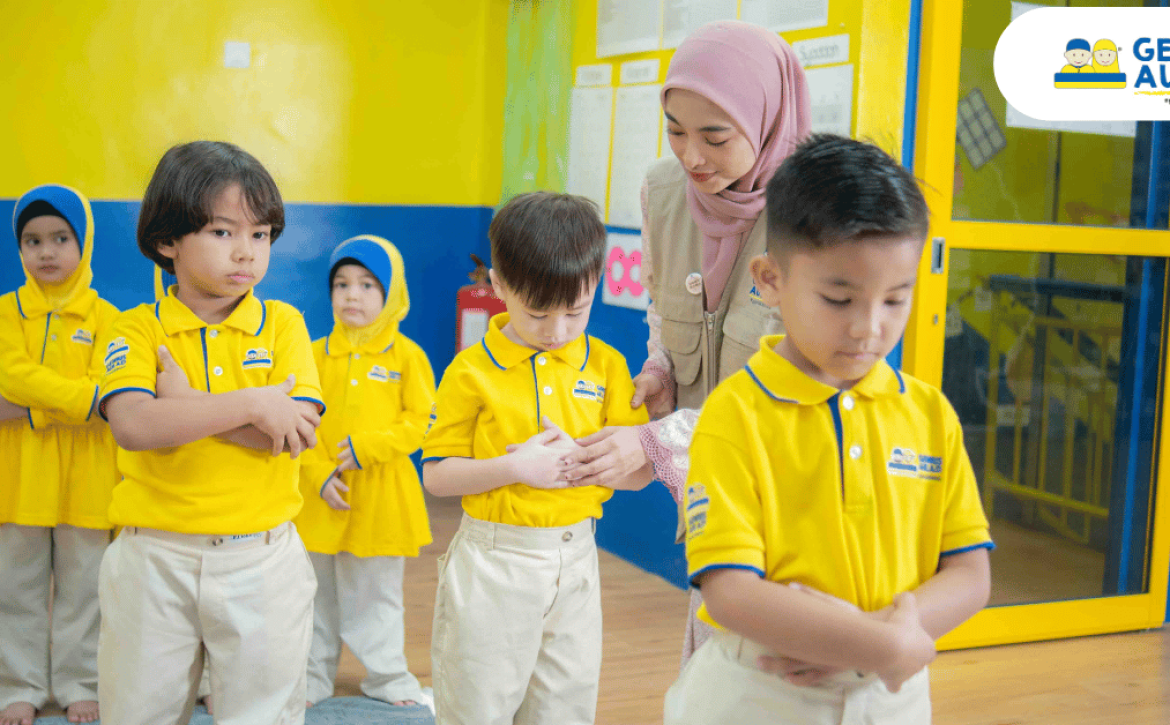
Why Islamic Values Matter in Early Childhood Education
Islamic Values in Early Childhood Education: 7 Benefits for Young Children
Islamic values in early childhood education play an important role in shaping children’s character, behaviour and understanding of the world around them. During the preschool years, children begin developing habits, attitudes and social skills that can influence their future learning and relationships.
For Muslim parents in Malaysia, choosing the right preschool is not only about academic preparation. It is also about finding an environment where children can develop good manners (adab), kindness, responsibility and a meaningful connection with their faith.
At GENIUS AULAD, we believe early childhood education should nurture both knowledge and character, helping children grow into confident, compassionate and responsible individuals.
But why are Islamic values so important during the early years? Let’s explore seven meaningful benefits of introducing Islamic teachings through everyday preschool experiences.
What Are Islamic Values in Early Childhood Education?
Islamic values in early childhood education refer to the introduction of Islamic principles, good manners and positive behaviours through age-appropriate learning experiences.
Early childhood is a critical stage for developing the foundations of learning, behaviour and social relationships. According to UNICEF’s early childhood development resources, children’s early experiences and interactions play an important role in their overall development. This highlights the importance of providing a nurturing preschool environment where Islamic values in early childhood education can be introduced alongside meaningful learning experiences.
Rather than focusing only on memorisation or religious knowledge, Islamic early childhood education encourages children to practise important values in their daily lives.
These include:
● Respect (Ihtiram): Treating parents, teachers, friends and others with kindness.
● Honesty (Sidq): Learning to speak truthfully and take responsibility for actions.
● Kindness (Ihsan): Showing compassion and helping people around them.
● Gratitude (Shukr): Appreciating Allah’s blessings and the kindness of others.
● Patience (Sabr): Learning to manage emotions and wait calmly.
● Responsibility (Amanah): Taking care of belongings and fulfilling simple duties.
When these values are introduced through storytelling, play, songs and daily routines, young children can begin understanding their meaning in practical ways.
7 Benefits of Islamic Values in Early Childhood Education
1. Building Strong Moral Character from a Young Age
Early childhood is an important period for developing positive habits and social behaviour. Introducing Islamic values during the preschool years helps children understand the difference between helpful and harmful actions.
By incorporating Islamic values in early childhood education, teachers can help preschoolers develop positive habits that encourage honesty, respect and responsibility in their everyday interactions.
For example, teachers can encourage children to say “please” and “thank you”, share toys with friends and apologise when they make mistakes.
These simple actions gradually introduce the concept of akhlaq, or good moral character. When children consistently experience kindness and respect, they have more opportunities to practise these values themselves.
2. Encouraging Kindness, Empathy and Compassion
Islam places great importance on compassion and treating others with kindness.
In preschool, children interact with friends who may have different personalities, abilities and emotions. Through Islamic teachings, children can learn to recognise how others feel and respond thoughtfully.
For example, when a classmate feels sad, a teacher may encourage children to offer comfort, invite the child to play or share a favourite toy.
These everyday experiences support emotional awareness, friendship and positive relationships.
By nurturing empathy from an early age, parents and educators can help children become more considerate members of their communities.
3. Developing Discipline and Responsibility
Discipline in Islamic early childhood education is not simply about following rules. It is about helping children understand responsibility, consistency and self-control. Preschool routines provide valuable opportunities to introduce these habits.
Children can learn to:
● Put away toys after playing.
● Keep their learning spaces clean.
● Wait patiently for their turn.
● Respect classroom rules.
● Take care of personal belongings.
Teachers can also introduce simple Islamic practices, such as reciting daily duas before meals and expressing gratitude after completing activities.
These experiences help children understand that responsibility is part of everyday life.
4. Strengthening Children's Islamic Identity
Introducing Islamic values during early childhood can help Muslim children develop familiarity with their faith and religious identity. At this age, learning should be engaging, gentle and suitable for children’s developmental abilities.
Activities such as listening to stories of the Prophets, learning simple duas, recognising Arabic letters and practising Islamic greetings can make religious learning meaningful. Children may also participate in age-appropriate activities related to Ramadan, Eid and other Islamic occasions.
These experiences can help children feel connected to their religious traditions while developing curiosity and enthusiasm for learning. Most importantly, Islamic education should encourage children to associate their faith with love, kindness and positive experiences.
5. Supporting Social and Emotional Development
Young children are still learning how to express emotions, manage frustration and communicate their needs. Islamic values such as patience (sabr), forgiveness and gratitude can complement social-emotional learning.
For example, when two children want the same toy, teachers can guide them to take turns and communicate respectfully.
When children make mistakes, educators can encourage them to apologise, forgive one another and try again. These interactions provide opportunities to practise emotional regulation and problem-solving. A supportive learning environment helps children feel safe while developing confidence in managing everyday challenges.
6. Creating Positive Daily Habits
One of the most effective ways to introduce Islamic values in early childhood education is through consistent daily routines. Young children often learn through repetition, observation and imitation.
Simple practices can include:
● Saying Assalamualaikum when greeting teachers and friends.
● Reciting Bismillah before eating.
● Saying Alhamdulillah to express gratitude.
● Practising cleanliness and personal hygiene.
● Helping friends and respecting teachers.
● Learning short duas through repetition and interactive activities.
Over time, these practices can become familiar parts of children’s everyday experiences. Parents can reinforce the same habits at home, creating consistency between preschool learning and family life.
7. Preparing Children for Lifelong Learning and Good Character
A strong early childhood education should prepare children for more than academic success. It should also nurture curiosity, confidence, communication skills and positive attitudes towards learning.
Islamic values encourage children to appreciate knowledge, respect others and recognise the importance of making good choices. When religious values are integrated with language development, early numeracy, creative activities and play-based learning, children can experience a more balanced approach to education.
This combination supports their preparation for primary school while nurturing character traits that remain meaningful beyond the classroom.
How Parents Can Teach Islamic Values at Home
Parents play an essential role in reinforcing Islamic values introduced at preschool. Children often learn by observing the actions and behaviour of adults around them.
The benefits of Islamic values in early childhood education become more meaningful when parents reinforce the same principles at home through everyday conversations, family routines and positive role modelling.
Here are five simple ways parents can encourage Islamic values at home.
1. Be a Positive Role Model
Demonstrate honesty, patience, kindness and respect in everyday interactions. Children are more likely to imitate behaviours they regularly observe.
2. Practise Daily Duas Together
Introduce short duas during familiar routines, such as waking up, eating and going to sleep. Keep the experience encouraging rather than pressuring children to memorise everything immediately.
3. Share Islamic Stories
Read age-appropriate stories about the Prophets and Islamic values. Ask simple questions about kindness, courage, gratitude and helping others.
4. Encourage Acts of Kindness
Invite children to help with small household tasks, share with siblings or prepare something thoughtful for family members.
5. Celebrate Positive Behaviour
Recognise children’s efforts when they demonstrate honesty, patience or compassion. Positive encouragement can help reinforce meaningful habits.
How GENIUS AULAD Supports Islamic Values in Early Childhood Education
At GENIUS AULAD, we believe that meaningful preschool education should nurture children’s intellectual, emotional, social and spiritual development.
Through our Genius-Balanced Methodology, we aim to provide a learning experience that combines early academic development with positive values and character building.
As an Islamic-English preschool for children aged 3 to 6 years old, GENIUS AULAD emphasises a balanced approach that encourages children to learn, explore, communicate and develop good manners. Islamic values can be reinforced through meaningful classroom interactions, age-appropriate activities and everyday routines, helping children connect what they learn with how they treat others.
Our goal is to support children in becoming confident learners who demonstrate kindness, respect and responsibility.
Choosing an Islamic Preschool in Malaysia
When choosing an Islamic preschool in Malaysia, parents should consider how religious values are integrated into the overall learning experience. A suitable preschool should provide opportunities for children to develop academically while also supporting their emotional, social and moral growth.
Parents who prioritise Islamic values in early childhood education should look for a preschool that combines academic learning, Islamic teachings and character development in a supportive environment.
Parents may wish to look for:
● A safe, welcoming and nurturing learning environment.
● Teachers who demonstrate positive Islamic values.
● Age-appropriate Islamic learning activities.
● Opportunities for play, creativity and social interaction.
● A balanced curriculum that supports school readiness.
● Good communication between teachers and parents.
Visiting a preschool and observing its learning environment can help parents make a more informed decision.
Nurturing Young Hearts with Islamic Values
Islamic values in early childhood education provide a meaningful foundation for nurturing children’s character, relationships and personal development.
Through kindness, gratitude, honesty, patience and responsibility, children can begin learning principles that guide their everyday behaviour.
When parents and educators work together, these values become more than classroom lessons. They become positive habits that children can carry into their future.
At GENIUS AULAD, we believe every child deserves an early learning experience that nurtures both the mind and the heart.
Give your child a meaningful start with GENIUS AULAD!
Discover our Islamic-English preschool programmes for children aged 3–6 years old and explore how our Genius-Balanced Methodology supports holistic early childhood development.
Visit Genius Aulad to learn more about our preschool programmes.
PRESCHOOL is GENIUS Aulad! #goGENIUS


 Read more about the challenge flow, terms, and conditions, *reading materials on the poster!
Check out the BookXcess Bookstore link below for the reading materials selected for the competition:
